 BHARATER SARKAR O RAJNITI / ভারতের সরকার ও রাজনীতি
 Subtotal : ₹315.00
Bharatiya Parikalpanar Itihas
₹405.00ভারতে পঞ্চাবার্ষিকী পরিকল্পনার সূত্রপাত ১৯৫১ সালে হলেও তোড়জোড় সুরু হয়েছিল স্বাধীনতার পূর্বাহ্নেই
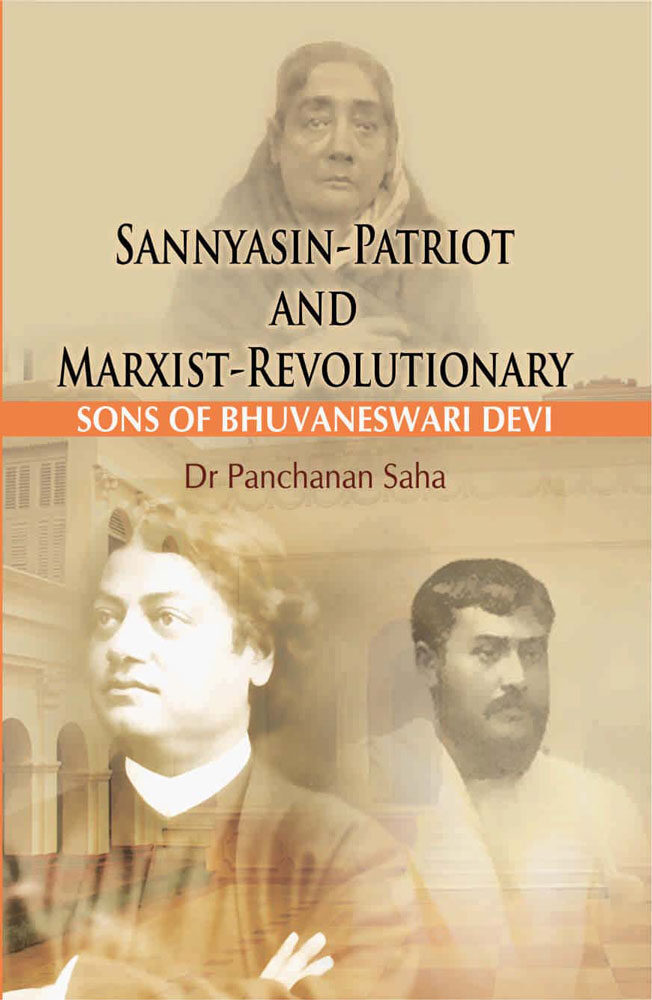
SANNYASIN-PATRIOT AND MARXIST-REVOLUTIONARY || SONS OF BHUVANESWARI DEVI
₹316.00Poles apart ideologically, yet identical in the mission to eliminate poverty, ignorance, social and economic oppression of the degraded countrymen, the two sons of Bhuvaneswari Devi had adopted different ways.
This book captures the lives and activities of Swami Vivekananda and his youngest brother Bhupendranath Datta in one giant canvas.
One a Sannyasin-patriot and another a Marxist-revolutionary, the two brothers not only believed in the power of socialism in transforming the society, but also opposed the curse of caste system and sought a synthesis between the materialistic West and the spiritual East.
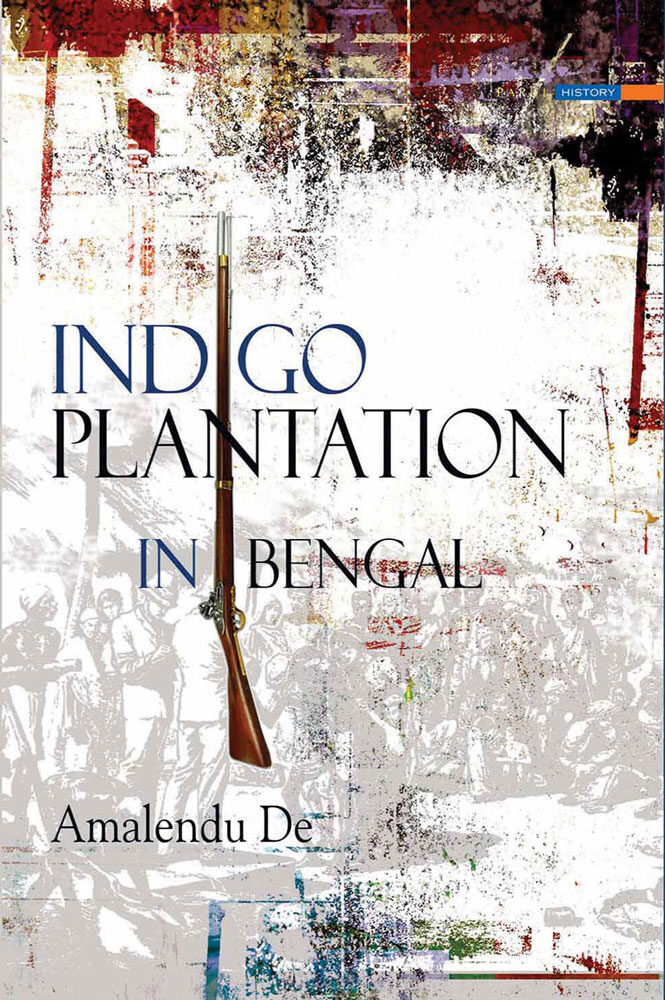
INDIGO PLANTATION IN BENGAL
₹277.00Richly detailed, impeccably researched and thoroughly complelling, this is an engrossing and provocative history of indigo plantation in bengal.
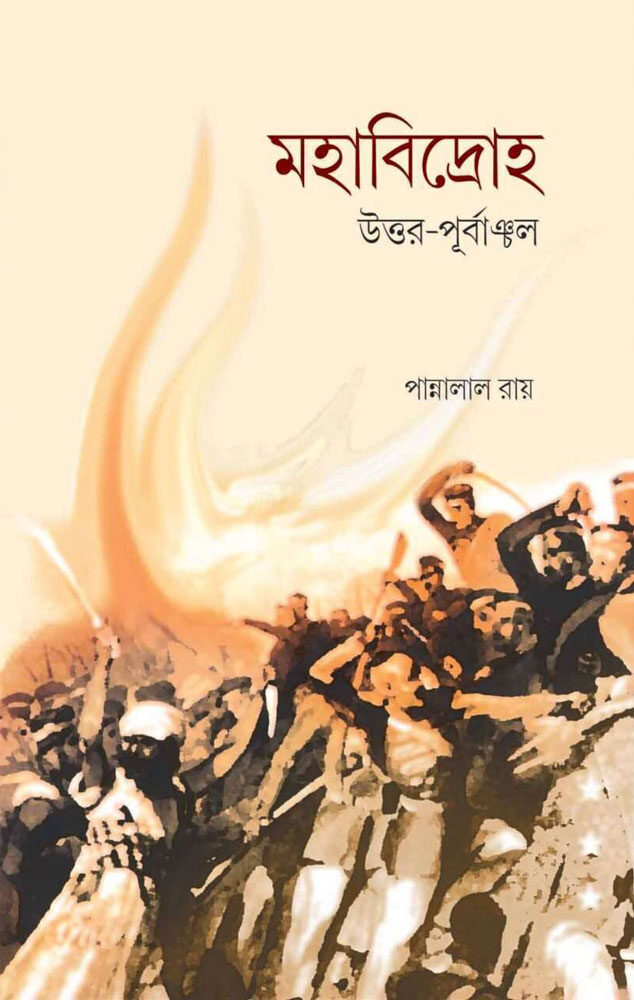
মহাবিদ্রোহ – উত্তর পূর্বাঞ্চল || MAHABIDROHA – UTTAR PURBANCHAL
₹70.00মহাবিদ্রোহ, উত্তর পূর্বাঞ্চল ( MAHABIODROHO) PANNALAL ROY
১৮৫৭ সালের মহাবিদ্রাহ ভারতবর্ষের ইতিহাসে একটি উল্লেখযোগ্য ঘটনা I এই বিদ্রোহের কারণ ব্যাপ্তি ও বিস্তার এবং জনজীবনে এর প্রভাব নিয়ে বিস্তর আলোচনা হয়েছে I
POPULAR CULTS , LEGENDS AND STORIES IN ANCIENT BENGAL / প্রাচীন বাংলার লৌকিক ধর্মবিশ্বাস, কিংবদন্তী ও কাহিনী
₹120.00সাধারণ মানুষের ধর্মবিশ্বাস ও পূজাপদ্ধতিকে জনপ্রিয় ধর্ম বলা হয়ে থাকে । বেশির ভাগ সাধারণ মানুষের জীবন ও কাজে সর্বদাই এ জনপ্রিয় ধর্ম প্রধান চালিকাশক্তি হিসেবে গণ্য হয়ে এসেছে। ধর্মীয় বিশ্বাস ও আচার অনুষ্ঠান প্রাচীনকালে উৎপত্তি হলেও আজও বাংলায় এ সবের প্রাধান্য রয়েছে।
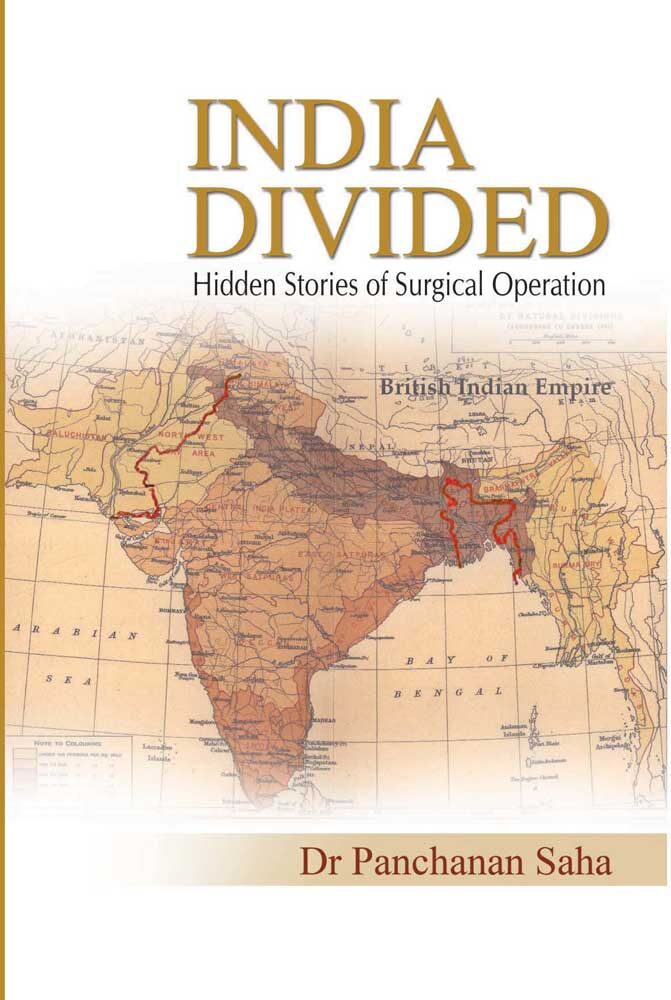
INDIA DIVIDED
₹396.00What made the partition of India a reality? Should we blame the obduracy of Nehru and Jinnah? Or was it an inevitable outcome of the imperial policy of ‘Divide and Rule’? Did it flow from the politicisation of our religious identities? Are the British, with their post war haste, weakness and incompetence, accountable for it? This book attempts to answer all these questions from a new perspective and points at a ‘hidden imperialist agenda’ that borders on a larger conspiracy behind the bloody ‘surgical strikes’ of 1947 than it is known till today.
ISLAM IN SOUTH ASIA
₹277.00The present book, which is beyond the constraints of rigid periodization, is an endeavour to challenge certain stereotypes relating to Islam, Sufism, folk-songs and inter-community relations in the South Asian context. By consulting Persian, Urdu, Bengali and English sources, the present work suggests that Sufism was more heterogeneous and complex than we are prepared to accept.