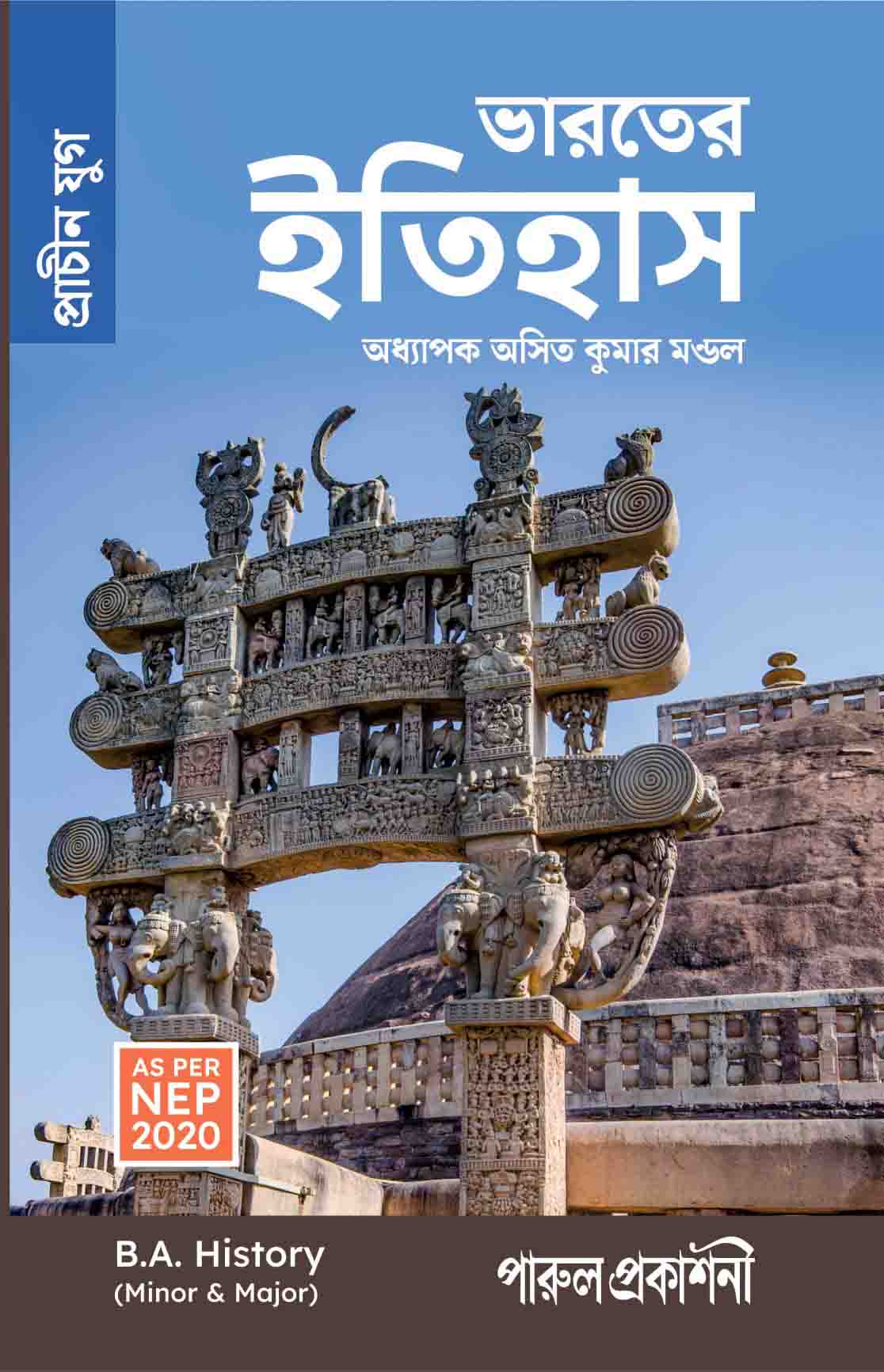

BHARATER ITIHAS (PRACHIN O ADI MADHYA YUG) / ভারতের ইতিহাস (প্রাচীন ও আদি মধ্যযুগ) B.A. (AS PER NEP 2020)
₹243.00প্রাচীন ও আদি মধ্যযুগ
AS PER NEP 2020
B.A. History (Minor & Major)
COMMUNIAL RIOTS IN BANGLADESH & WEST BENGAL
₹236.00 × 1
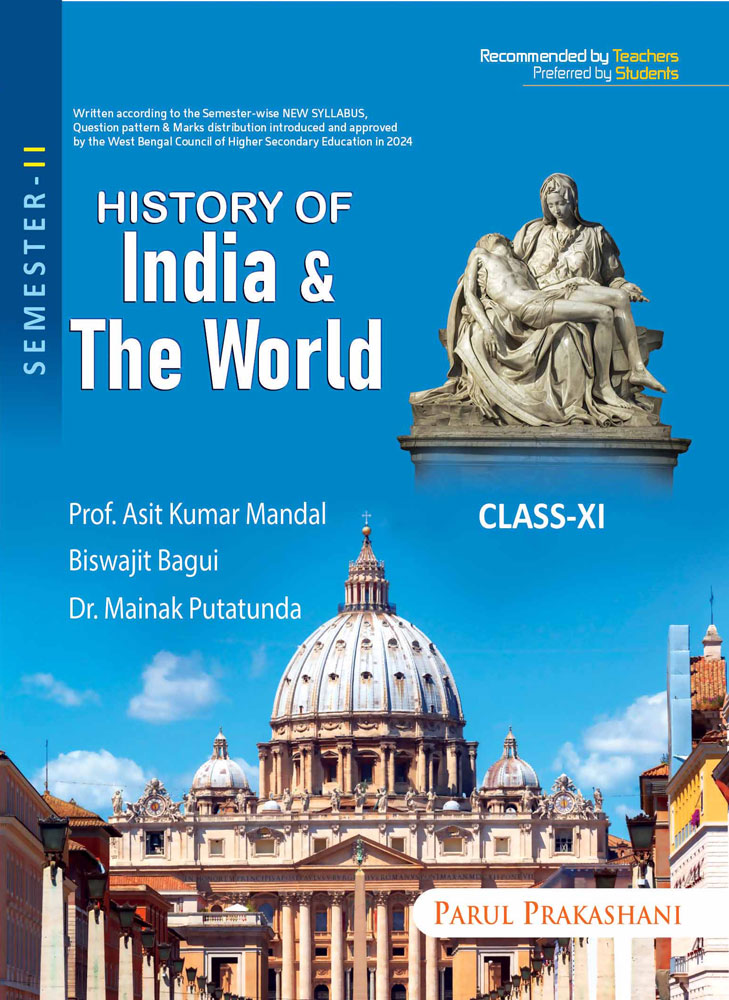
HISTORY OF INDIA & THE WORLD || Class - 11 (SEMESTER-II)
₹187.00 × 1
HISTORY OF INDIA & THE WORLD || Class - 12 (SEMESTER-IV)
₹187.00 × 1
BHARATER ITIHAS (PRACHIN O ADI MADHYA YUG) / ভারতের ইতিহাস (প্রাচীন ও আদি মধ্যযুগ) B.A. (AS PER NEP 2020)
₹243.00 × 1
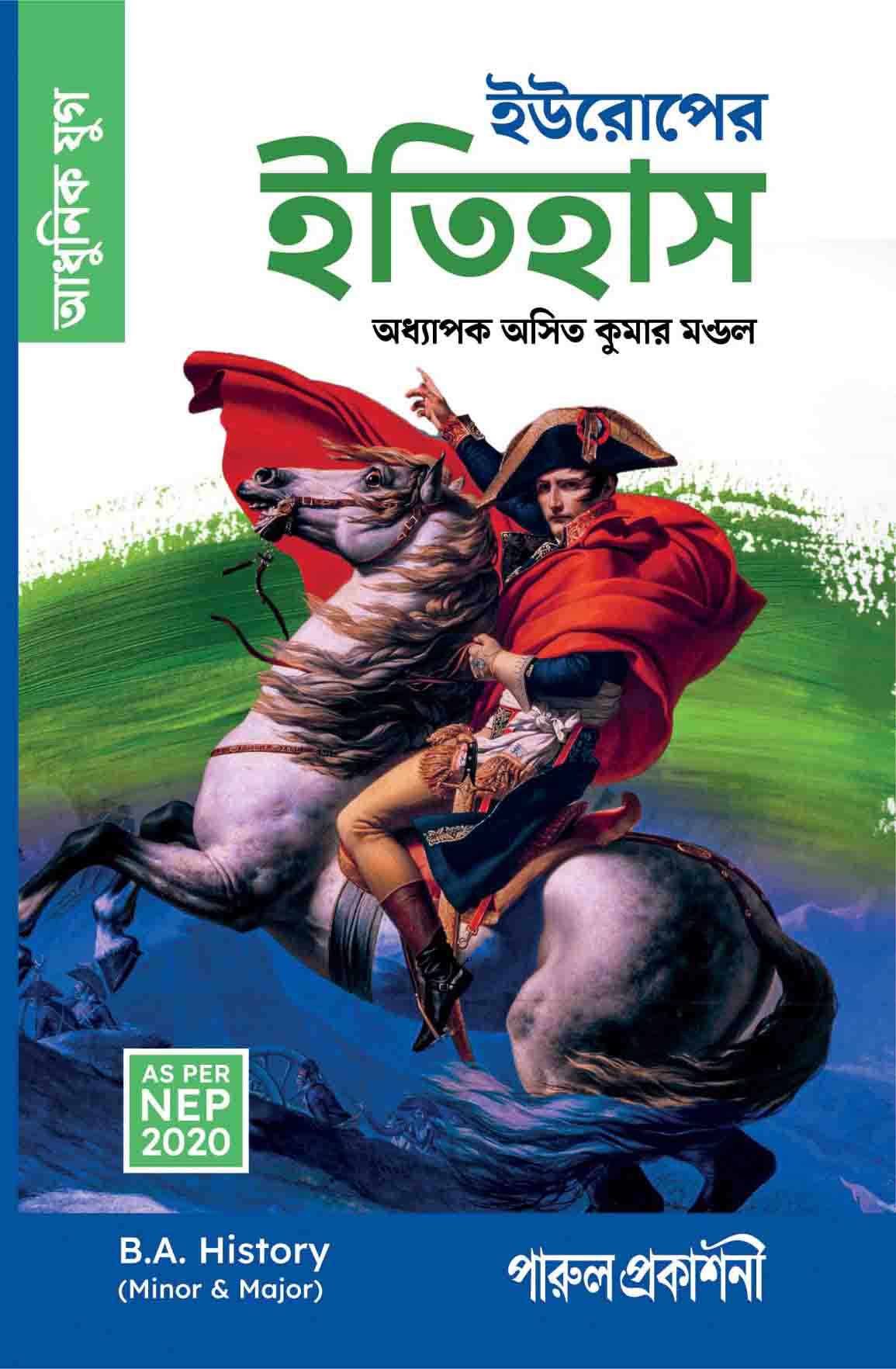
EUROPER ITIHAS (ADHINUK YUG) / ইউরোপের ইতিহাস আধুনিক যুগ B.A.(AS PER NEP 2020)
₹513.00 × 1
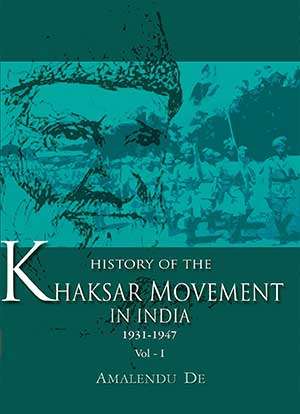
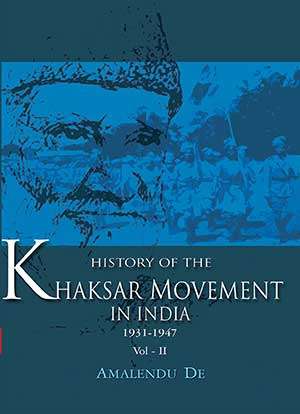
Khaksar Movement in India - Vol I
₹396.00 × 1 Subtotal : ₹2,167.00
AS PER NEP 2020
B.A. History (Minor & Major)
AS PER NEP 2020
B.A. History (Minor & Major)
ভারতে পঞ্চাবার্ষিকী পরিকল্পনার সূত্রপাত ১৯৫১ সালে হলেও তোড়জোড় সুরু হয়েছিল স্বাধীনতার পূর্বাহ্নেই
AS PER NEP 2020
B.A. History (Minor & Major)
Written according to the Semester-wise NEW SYLLABUS, Question pattern & Marks distribution introduced and approved by the West Bengal Council of Higher Secondary Education in 2024
Recommended by Teachers Preferred by Students
Written according to the Semester-wise NEW SYLLABUS, Question pattern & Marks distribution introduced and approved by the West Bengal Council of Higher Secondary Education in 2025
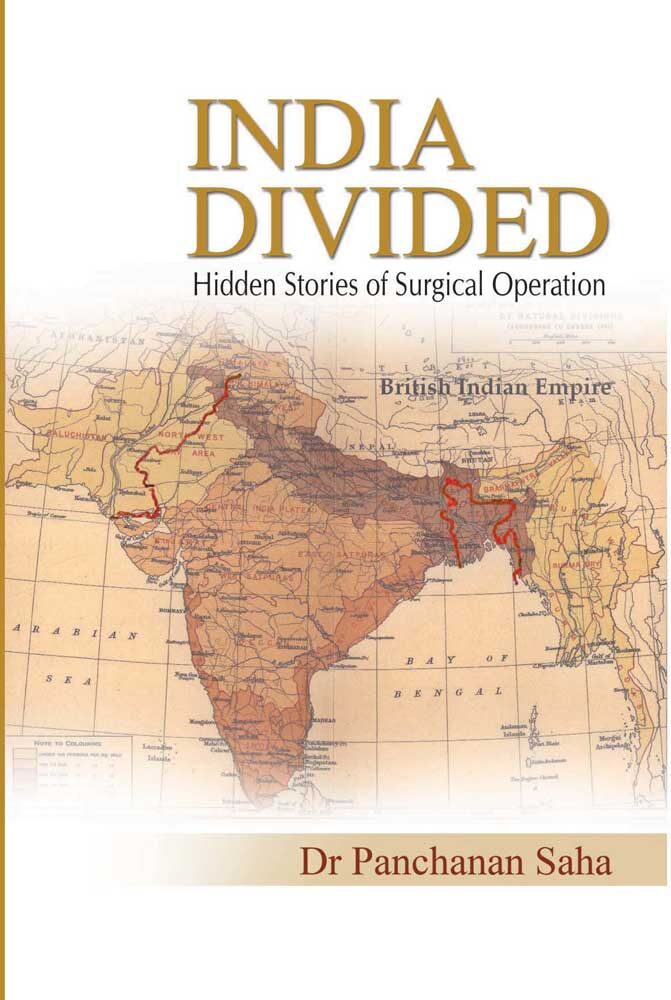
What made the partition of India a reality? Should we blame the obduracy of Nehru and Jinnah? Or was it an inevitable outcome of the imperial policy of ‘Divide and Rule’? Did it flow from the politicisation of our religious identities? Are the British, with their post war haste, weakness and incompetence, accountable for it? This book attempts to answer all these questions from a new perspective and points at a ‘hidden imperialist agenda’ that borders on a larger conspiracy behind the bloody ‘surgical strikes’ of 1947 than it is known till today.
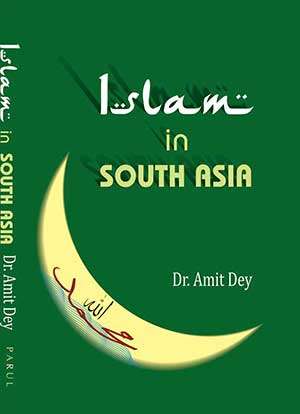
The present book, which is beyond the constraints of rigid periodization, is an endeavour to challenge certain stereotypes relating to Islam, Sufism, folk-songs and inter-community relations in the South Asian context. By consulting Persian, Urdu, Bengali and English sources, the present work suggests that Sufism was more heterogeneous and complex than we are prepared to accept.