History

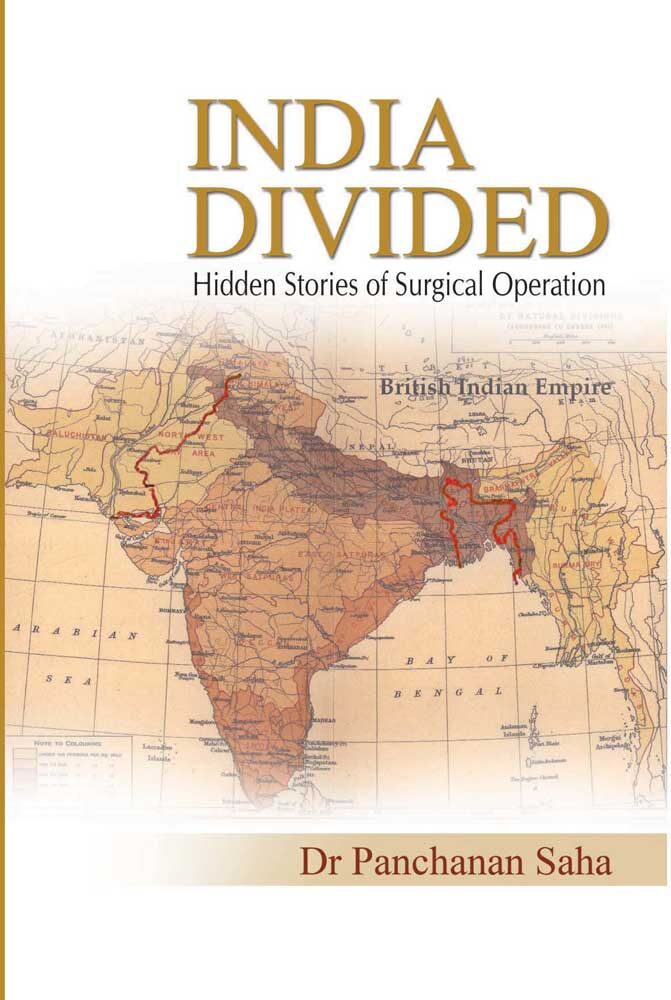
INDIA DIVIDED

396.00

What made the partition of India a reality? Should we blame the obduracy of Nehru and Jinnah? Or was it an inevitable outcome of the imperial policy of ‘Divide and Rule’? Did it flow from the politicisation of our religious identities? Are the British, with their post war haste, weakness and incompetence, accountable for it? This book attempts to answer all these questions from a new perspective and points at a ‘hidden imperialist agenda’ that borders on a larger conspiracy behind the bloody ‘surgical strikes’ of 1947 than it is known till today.

ISLAM IN SOUTH ASIA

316.00

The present book, which is beyond the constraints of rigid periodization, is an endeavour to challenge certain stereotypes relating to Islam, Sufism, folk-songs and inter-community relations in the South Asian context. By consulting Persian, Urdu, Bengali and English sources, the present work suggests that Sufism was more heterogeneous and complex than we are prepared to accept.

POPULAR CULTS , LEGENDS AND STORIES IN ANCIENT BENGAL / প্রাচীন বাংলার লৌকিক ধর্মবিশ্বাস, কিংবদন্তী ও কাহিনী

120.00

সাধারণ মানুষের ধর্মবিশ্বাস ও পূজাপদ্ধতিকে জনপ্রিয় ধর্ম বলা হয়ে থাকে । বেশির ভাগ সাধারণ মানুষের জীবন ও কাজে সর্বদাই এ  জনপ্রিয় ধর্ম প্রধান চালিকাশক্তি হিসেবে গণ্য হয়ে এসেছে। ধর্মীয় বিশ্বাস ও আচার অনুষ্ঠান প্রাচীনকালে উৎপত্তি হলেও আজও বাংলায় এ সবের প্রাধান্য রয়েছে।

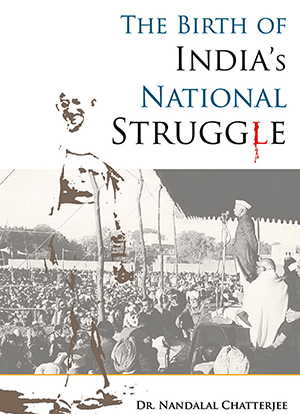
The Birth of India’s National Struggle

236.00

Dr. Nandalal Chatterjee

Held as pioneering work in its own genre, this book by Dr. Nandalal Chatterjee is an authoritative documentation of India’s journey to her independence. Free from both the colonial hangovers and the ultra nationalistic trends of writing history. Dr. Chatterjee has maintained—an objectively rarely found in his time. Beginning with an outline of the Indian Renaissance Dr. Chatterjee turns his attention to the uprising of 1857. He then moves on to outline the cultural roots of our nationalist ideology to be followed by an account of the origins of the Indian National Congress. The core of the book consists of a series of chapters focusing attention on the mainstream tradition of the non-violent movements led by Mahatma Gandhi. In the concluding chapter of the book, the author tires to reflect on how the independence was not only the end of a century-old struggle, but also the beginning of attempts toward’s a fuller realization of the age-old ideal of unity in diversity’.

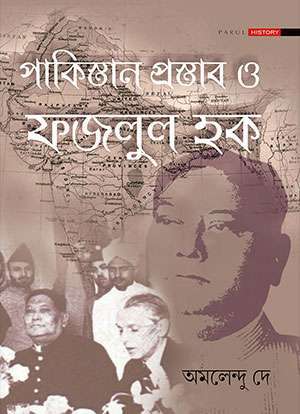
পাকিস্তান প্রস্তাব ও ফজলুল হক / Pakistan Prastab O Fajlul Hak

240.00

অমলেন্দু দে

দ্বিজাতিতত্ত্ব সম্পর্কে ফজলুল হকের মতামত ঠিক কী ছিল, সে বিষয়ে আমাদের ধারণা আজও স্বচ্ছ নয়। অসাম্প্রদায়িক ও উদারচেতা ফজলুল হক লাহোর প্রস্তাব উত্থাপন করায় অনেকেই বিস্মিত হয়েছিলেন। তাঁকে বিভেদকারী বলে চিহ্নিত করার এক ধরনের অশিক্ষিত প্রবণতা আজও আমাদের মধ‌্যে কাজ করে। কিন্তু যে কথা শিক্ষিত বাঙালি সহজেই বিস্মৃত হয়, তা হল_ জিন্নার বিভেদপন্থার বিরুদ্ধে প্রথম বলিষ্ঠ প্রতিবাদ ফজলুল হকের কণ্ঠেই ধ্বনিত হয়েছিল। তিনিই সর্বপ্রথম ধর্মের ভিত্তিতে গঠিত পাকিস্তান রাষ্ট্রের ভিত আলগা করে দেন এবং পূর্ব বাংলার মানুষকে বাঙালি জাতীয়তাবাদের ভাবধারায় উদ্দীপিত করেন। তাই আজ যখন ঢাকার শাহবাগ স্কোয়ারে বাঙালি জাতীয়তাবাদের পুনরুত্থান ঘটছে, দেশভাগ-পূর্ব ও পরবর্তী সময়ে ফজলুল হকের ভূমিকায় পুনর্মূল‌্যায়ন আশু প্রয়োজন। বাংলাদেশের মুক্তিযুদ্ধের তাৎপর্য বুঝতে হলে খাঁটি বাঙালি ফজলুল হককে প্রথমে বুঝতে হবে। বর্তমান গ্রন্থে ১৯১৩ থেকে ১৯৫৪ সাল পর্যন্ত বাংলার রাজনীতিতে ফজলুল হকের ভূমিকার বিশদ আলোচনা করা হয়েছে।